Pet sitting
What should you leave for a pet sitter? The complete checklist.
A good handover is simple, precise and easy to find. Here is what to prepare without turning your departure into a lengthy dossier.
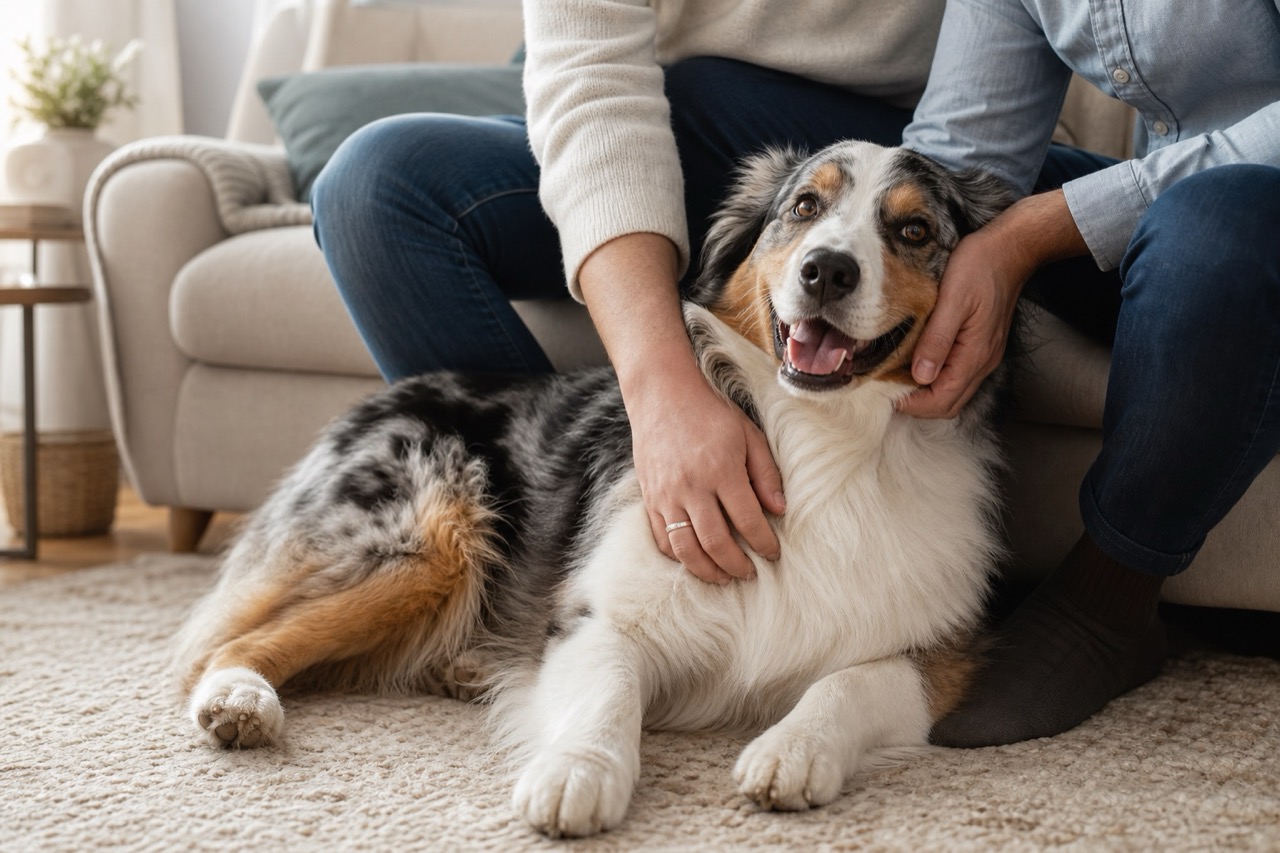
Your pet sitter does not need your pet’s entire life story. They need quick answers to four questions: what should be done, when, how and who should they contact if something is unclear?
1. Start with a normal day
Write down the usual times for meals, walks, play, rest and care. Say what really matters and what can remain flexible. A short routine in the right order is easier to follow than a long message sent just before you leave.
- the time and quantity for each meal;
- where to find food, bowls and other supplies;
- walks, litter, toilet breaks and useful habits;
- normal behaviour and situations to avoid;
- when you would like an update.
2. Copy medication instructions exactly
For each medicine, include its name, quantity, time and whether it should be given with food. Never ask a pet sitter to improvise a dose or decide what to do after a missed dose. Leave the veterinarian’s written instructions and demonstrate any particular technique before you go.
3. Gather useful contacts and records
- your number and a second trusted contact;
- your regular veterinarian’s name, phone number and address;
- details for a nearby emergency clinic;
- your pet’s identification number;
- the prescription and records needed during the stay;
- your instructions about an unexpected consultation.
Rover’s meet-and-greet worksheet covers the same areas: routines, food, medication, allergies, emergency contacts, vet details and identification. It is a useful second check. See Rover’s worksheet.
4. Walk through the routine together
Show where everything is and ask the sitter to repeat the practical steps: preparing a meal, locking a door, finding the carrier or reading an instruction. This short run-through often reveals something that is obvious to you but missing from the handover.
5. Keep one version up to date
Avoid scattering instructions across paper, messages and photos. If a time or quantity changes, update the shared source and tell the person involved. ANISENS keeps the routine, useful information and documents with the right pet, with access chosen for the sitter.
Before you close the door
- daily routine checked;
- times and quantities confirmed;
- medication explained and written as prescribed;
- contacts and emergency details listed;
- useful documents accessible;
- equipment shown;
- shared source updated.